
How Mounjaro Works for Weight Loss
Last reviewed: [January 2026]
Patient Guide
Medical knowledge evolves. This content is reviewed and updated periodically, but it may not always reflect the most recent research or regulatory changes. It is intended to complement — not replace — personalised medical advice from a qualified clinician.
How Mounjaro Works for Weight Loss: Benefits, Side Effects and UK Eligibility
Obesity is a significant health issue in the UK. A large proportion of adults are now overweight or living with obesity. In population-level studies, higher body weight is associated with increased risks of type 2 diabetes, cardiovascular disease, obstructive sleep apnoea, osteoarthritis and several cancers. [1–8]
Weight management is rarely a simple short-term effort. Many people can lose weight for a period of time, but sustaining that loss can be difficult. Lifestyle measures remain the foundation of treatment. A reduced-calorie diet, regular physical activity and behavioural support are central. However, for some individuals, medication can make these changes more achievable and sustainable. [9]
Mounjaro (tirzepatide) is a once-weekly injectable medication licensed in the UK for type 2 diabetes and for weight management in adults with obesity, or overweight with weight-related medical conditions. [30] It works by influencing hormone pathways involved in appetite regulation and metabolic control. [10–12]
What Is Mounjaro?
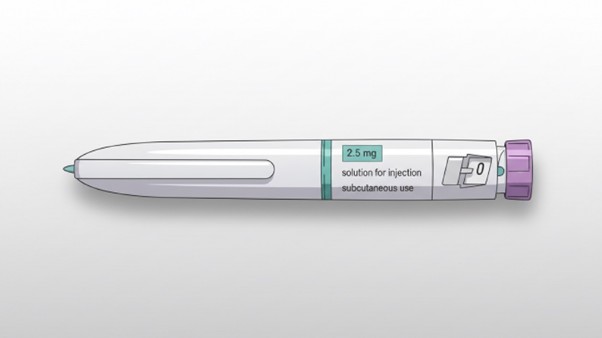
Mounjaro is the brand name for tirzepatide. It is administered as a subcutaneous injection (under the skin), once per week. [30]
Tirzepatide activates two receptors in the body:
- GLP-1 (glucagon-like peptide-1) receptor
- GIP (glucose-dependent insulinotropic polypeptide) receptor [10–12]
These receptors normally respond to hormones released from the gut after eating. Other injectable weight-loss medicines, such as semaglutide (Wegovy) and liraglutide (Saxenda), activate the GLP-1 receptor alone. Tirzepatide activates both GLP-1 and GIP receptors. [10–12]
In the UK, tirzepatide is licensed for use alongside a reduced-calorie diet and increased physical activity. [30]
How Mounjaro Works
Appetite and Fullness
After we eat, the gut releases hormones that signal to the brain that food has arrived. These signals contribute to the feeling of fullness during and after a meal.
Tirzepatide mimics two of these hormones. In mechanistic studies, tirzepatide reduced appetite ratings and reduced energy intake during test meals. [13–15] In practical terms, a portion that previously felt moderate may feel sufficient sooner. Hunger between meals may become less persistent, and snacking may become less frequent. [13–15]
Slowing Gastric Emptying
Gastric emptying refers to the speed at which food leaves the stomach and moves into the small intestine.
Tirzepatide delays gastric emptying most noticeably early in treatment, with the effect reducing over time. [16,17] When food remains in the stomach for longer, the sensation of fullness can last longer. [16,17]
Effects on Blood Sugar
Tirzepatide was originally developed for type 2 diabetes.
In people with type 2 diabetes, tirzepatide improves glucose control and is associated with weight loss in clinical trials. [18–20]
Food Motivation and Cravings
Eating is influenced not only by physical hunger but also by reward systems in the brain. Food can trigger anticipation and desire even when energy needs have been met.
Clinical studies of GLP-1–based treatments show reduced activation in brain regions involved in responding to food cues. [21,22] In trials of tirzepatide, participants reported lower appetite scores and reduced energy intake. [13–15]
How This Leads to Fat Loss
Weight loss occurs when energy intake is consistently lower than energy expenditure.
Mounjaro does not directly “burn fat” independently of food intake. Instead, by reducing appetite and increasing fullness, it can make sustained calorie reduction more achievable. When calorie intake falls below the body’s energy needs, stored fat is used to supply energy, leading to weight loss over time. [13–15]
Effectiveness and Clinical Results
Tirzepatide has been studied in several large clinical trial programmes.
SURMOUNT-1 (Adults Without Diabetes)
The SURMOUNT-1 trial followed adults with obesity, or overweight without diabetes, for 72 weeks. [23]
Average weight loss was approximately:
- 15% of body weight at 5 mg weekly
- 19–20% at 10 mg weekly
- 21–22% at 15 mg weekly [23]
A substantial proportion of participants at higher doses lost 20% or more of their starting weight. These results were achieved alongside lifestyle advice. [23]
To understand what these levels of weight loss mean for your health, see our full guide
SURPASS Trials (Adults With Type 2 Diabetes)
In people with type 2 diabetes, weight loss was generally more modest, though still clinically meaningful. Across major SURPASS trials, weight loss was dose-dependent and greater than comparator arms. [18–20]
Average weight loss in these studies ranged from around 5% to the low teens, depending on the population, dose and comparator. [18–20]
In people with type 2 diabetes, average weight loss is typically lower than in trials in people without diabetes. [18–20,23]
Comparison With Semaglutide
In a head-to-head clinical trial in adults with type 2 diabetes, tirzepatide produced greater average weight loss than semaglutide at the doses studied. [20]
Both medications are effective treatments. Individual results vary, and the choice between them depends on medical history, tolerability and treatment goals.
How Quickly Does It Work?
Appetite reduction can occur early in treatment, and weight loss typically builds gradually over time with continued use. [13,23]
Potential Side Effects and Safety
As with all prescription medicines, side effects can occur. [30]
Common Side Effects
The most common side effects affect the gastrointestinal system and are usually mild to moderate. These include nausea, diarrhoea, constipation, vomiting and abdominal discomfort. [30] In trials, gastrointestinal symptoms were common, especially during dose escalation. [18,23,24,30]
“For a full timeline of how long Mounjaro’s side effects typically last, see our dedicated guide.”
Important Safety Considerations
Mounjaro is not suitable for everyone. A full medical assessment is required before starting treatment to determine suitability and discuss risks. [30]
Who Can Benefit From Mounjaro?
Tirzepatide is licensed for weight management in adults with obesity, or overweight with weight-related medical conditions. [30]
For some ethnic groups at higher metabolic risk, lower BMI thresholds may apply. [25]
Suitability depends on overall health, previous attempts at weight loss, current medications and tolerance of potential side effects.
How to Use Mounjaro
Mounjaro is injected once weekly under the skin. Common injection sites include the abdomen, thigh or upper arm. [30]
Treatment starts at a low dose. The dose is increased at set intervals, provided it is tolerated, until a maintenance dose is reached. [30] This gradual approach helps reduce gastrointestinal side effects. [23,30]
Medication should be combined with dietary structure and physical activity. For example, maintaining regular meal patterns, ensuring adequate protein intake and incorporating consistent activity can support results.
We would not normally prescribe Mounjaro alongside other weight-loss medicines.
Regular clinical review allows monitoring of weight progress and any side effects.
Comparing Mounjaro With Other Weight-Loss Medications
Semaglutide (Wegovy) is a weekly GLP-1 receptor agonist. In STEP trials, average weight loss with semaglutide 2.4 mg was in the mid-teens percent range, alongside structured lifestyle intervention. [26,27]
Liraglutide (Saxenda) is a daily GLP-1 receptor agonist. In a large trial, average weight loss was about 8% at 56 weeks with liraglutide 3.0 mg alongside lifestyle intervention. [28]
Tirzepatide (Mounjaro), which activates both GLP-1 and GIP receptors, has produced average weight loss of up to around 21–22% in adults without diabetes in clinical trials. [23]
Long-Term Maintenance
Weight regain can occur after stopping weight-loss medication. In withdrawal studies, stopping treatment has been associated with weight regain, while continuing treatment maintained more of the weight loss. [24,27,29]
Long-term weight management may involve continued medication, structured eating patterns, physical activity and behavioural strategies. The appropriate duration of treatment should be discussed with a clinician.
Alternatives to Mounjaro
Mounjaro is one option within a broader range of weight-management treatments.
Other GLP-1–based medications include semaglutide (Wegovy) and liraglutide (Saxenda). These act on the GLP-1 receptor but do not activate the GIP receptor. [26–28]
There are also non-GLP-1 medications available in the UK, such as:
- Orlistat, which reduces fat absorption from the gut
- Naltrexone/bupropion combination therapy, which acts on appetite pathways in the brain [9]
In addition, non-medication approaches remain important. These include structured dietary programmes, behavioural interventions, increased physical activity and, in appropriate cases, bariatric surgery. [9]
The most appropriate approach depends on individual health status, risk profile and treatment goals.
“If you are wondering about whether Mounjaro is suitable as a long-term treatment, we explore the clinical evidence in a separate article.”
Important note
If you are using this guide as part of care provided through this service, your clinician will consider the most up-to-date evidence and regulatory guidance at the time of assessment and prescribing.
Frequently Asked Questions
What is Mounjaro and how does it help with weight loss?
Mounjaro is a once-weekly injection containing tirzepatide. It works by activating two hormone receptors involved in appetite regulation (GLP-1 and GIP).
These hormones help regulate hunger and fullness. Many people find they feel satisfied with smaller meals and experience fewer urges to snack. Over time, this can reduce overall calorie intake and support weight loss when combined with dietary and lifestyle changes.
How much weight can you lose with Mounjaro?
In clinical trials lasting 72 weeks, average weight loss in adults without diabetes ranged from about 15% to over 20% of starting body weight, depending on the dose used.
Individual results vary. Some people lose more weight than average, while others lose less. Weight loss is influenced by factors such as diet, activity levels, sleep and underlying health conditions.
Are there side effects?
The most common side effects affect the digestive system. These include nausea, diarrhoea, constipation, vomiting and abdominal discomfort.
These symptoms are often mild to moderate and are more common when doses are increased. They usually improve as the body adapts to treatment. Serious side effects are uncommon but possible, which is why treatment should be prescribed and monitored by a clinician.
How do I take Mounjaro?
Mounjaro is injected once weekly under the skin, typically in the abdomen, thigh or upper arm.
Treatment usually begins with a low dose that is gradually increased at set intervals if it is well tolerated. This gradual dose escalation helps reduce gastrointestinal side effects.
Do you need to diet while taking Mounjaro?
Mounjaro is intended to be used alongside a reduced-calorie diet and increased physical activity.
The medication often makes it easier to eat smaller portions and maintain a calorie deficit. Having a clear eating structure — such as regular meals, adequate protein intake and consistent activity — can help improve results and support long-term weight management.
Can Mounjaro stop working over time?
Weight loss may slow or plateau after the first few months of treatment. If this happens, it does not necessarily mean the medication has stopped working.
When progress slows, we usually review factors such as dose, eating patterns, activity levels, sleep and medication tolerance to see whether anything can be adjusted.
Can you regain weight after stopping Mounjaro?
Yes. Appetite can increase again after stopping treatment, which can make weight regain more likely.
For many people, obesity behaves as a long-term condition. Some people therefore continue treatment longer to help maintain weight loss, while others stop and focus on maintaining lifestyle changes.
How does Mounjaro compare to Wegovy?
Both medications are weekly injections used for weight management.
Mounjaro (tirzepatide) activates two hormone receptors (GIP and GLP-1), while Wegovy (semaglutide) activates GLP-1 only. Both can be effective treatments, although some studies have shown greater average weight loss with tirzepatide.
The most suitable option depends on medical history, side-effect profile and individual treatment goals.
Is Mounjaro the same as Wegovy?
No. They are different medications.
Wegovy contains semaglutide, while Mounjaro contains tirzepatide. Both influence appetite pathways but work through slightly different hormonal mechanisms.
Is Mounjaro available on the NHS in the UK?
Mounjaro may be available through the NHS in some circumstances, particularly through specialist weight-management services or for the treatment of type 2 diabetes.
Access varies depending on local NHS commissioning and eligibility criteria. Many people currently receive treatment through private services.
How long should I take Mounjaro?
There is no fixed duration for treatment.
Some people use Mounjaro for several months while losing weight and establishing new habits. Others continue treatment longer to help maintain weight loss. Ongoing clinical reviews help determine whether continuing treatment remains appropriate.
These answers provide a general overview. For detailed explanations, evidence summaries, and treatment comparisons, see our in-depth guides in the Knowledge Hub.
References
- GBD 2021 Adult BMI Collaborators. Global, Regional, and National Prevalence of Adult Overweight and Obesity, 1990–2021, With Forecasts to 2050: A Forecasting Study for the Global Burden of Disease Study 2021. Lancet. 2025;405(10481):813–838. doi:10.1016/S0140-6736(25)00355-1.
- NCD Risk Factor Collaboration. Worldwide trends in underweight and obesity from 1990 to 2022: a pooled analysis of 3663 population-representative studies with 222 million children, adolescents, and adults. Lancet. 2024;403(10431):1027–1050. doi:10.1016/S0140-6736(23)02750-2.
- Jayedi A, Soltani S, Motlagh SZ, et al. Anthropometric and adiposity indicators and risk of type 2 diabetes: systematic review and dose-response meta-analysis of cohort studies. BMJ. 2022;376:e067516. doi:10.1136/bmj-2021-067516.
- Yu HJ, Ho M, Liu X, et al. Association of weight status and the risks of diabetes in adults: a systematic review and meta-analysis of prospective cohort studies. Int J Obes (Lond). 2022;46(6):1101–1113. doi:10.1038/s41366-022-01096-1.
- Kim MS, Kim WJ, Khera AV, et al. Association between adiposity and cardiovascular outcomes: an umbrella review and meta-analysis of observational and Mendelian randomization studies. Eur Heart J. 2021;42(34):3388–3403. doi:10.1093/eurheartj/ehab454.
- Esmaeili N, Gell L, Imler T, et al. The relationship between obesity and obstructive sleep apnea in four community-based cohorts: an individual participant data meta-analysis of 12,860 adults. EClinicalMedicine. 2025;83:103221. doi:10.1016/j.eclinm.2025.103221.
- Elmaleh-Sachs A, Schwartz JL, Bramante CT, et al. Obesity management in adults: a review. JAMA. 2023;330(20):2000–2015. doi:10.1001/jama.2023.19897.
- Kyrgiou M, Kalliala I, Markozannes G, et al. Adiposity and cancer at major anatomical sites: umbrella review of the literature. BMJ. 2017;356:j477. doi:10.1136/bmj.j477.
- Gudzune KA, Kushner RF. Medications for obesity: a review. JAMA. 2024;332(7):571–584. doi:10.1001/jama.2024.10816.
- Willard FS, Douros JD, Gabe MB, et al. Tirzepatide is an imbalanced and biased dual GIP and GLP-1 receptor agonist. JCI Insight. 2020;5(17):140532. doi:10.1172/jci.insight.140532.
- Sun B, Willard FS, Feng D, et al. Structural determinants of dual incretin receptor agonism by tirzepatide. PNAS. 2022;119(13):e2116506119. doi:10.1073/pnas.2116506119.
- Campbell JE, Müller TD, Finan B, et al. GIPR/GLP-1R dual agonist therapies for diabetes and weight loss—chemistry, physiology, and clinical applications. Cell Metab. 2023;35(9):1519–1529. doi:10.1016/j.cmet.2023.07.010.
- Martin CK, Carmichael OT, Carnell S, et al. Tirzepatide on ingestive behavior in adults with overweight or obesity: a randomized 6-week phase 1 trial. Nat Med. 2025. doi:10.1038/s41591-025-03774-9.
- Ravussin E, Sanchez-Delgado G, Martin CK, et al. Tirzepatide did not impact metabolic adaptation in people with obesity, but increased fat oxidation. Cell Metab. 2025;37(5):1060–1074.e4. doi:10.1016/j.cmet.2025.03.011.
- Heise T, DeVries JH, Urva S, et al. Tirzepatide reduces appetite, energy intake, and fat mass in people with type 2 diabetes. Diabetes Care. 2023;46(5):998–1004. doi:10.2337/dc22-1710.
- Urva S, Coskun T, Loghin C, et al. The novel dual GIP and GLP-1 receptor agonist tirzepatide transiently delays gastric emptying similarly to selective long-acting GLP-1 receptor agonists. Diabetes Obes Metab. 2020;22(10):1886–1891. doi:10.1111/dom.14110.
- Jalleh RJ, Plummer MP, Marathe CS, et al. Clinical consequences of delayed gastric emptying with GLP-1 receptor agonists and tirzepatide. J Clin Endocrinol Metab. 2024;110(1):1–15. doi:10.1210/clinem/dgae719.
- Rosenstock J, Wysham C, Frías JP, et al. Efficacy and safety of tirzepatide in type 2 diabetes (SURPASS-1). Lancet. 2021;398(10295):143–155. doi:10.1016/S0140-6736(21)01324-6.
- Del Prato S, Kahn SE, Pavo I, et al. Tirzepatide versus insulin glargine in type 2 diabetes and increased cardiovascular risk (SURPASS-4). Lancet. 2021;398(10313):1811–1824. doi:10.1016/S0140-6736(21)02188-7.
- Frías JP, Davies MJ, Rosenstock J, et al. Tirzepatide versus semaglutide once weekly in patients with type 2 diabetes. N Engl J Med. 2021;385(6):503–515. doi:10.1056/NEJMoa2107519.
- van Bloemendaal L, IJzerman RG, Ten Kulve JS, et al. GLP-1 receptor activation modulates appetite- and reward-related brain areas in humans. Diabetes. 2014;63(12):4186–4196. doi:10.2337/db14-0849.
- Farr OM, Sofopoulos M, Tsoukas MA, et al. Liraglutide alters brain activity related to highly desirable food cues in individuals with diabetes. Diabetologia. 2016;59(5):954–965. doi:10.1007/s00125-016-3874-y.
- Jastreboff AM, Aronne LJ, Ahmad NN, et al. Tirzepatide once weekly for the treatment of obesity (SURMOUNT-1). N Engl J Med. 2022;387(3):205–216. doi:10.1056/NEJMoa2206038.
- Aronne LJ, Sattar N, Horn DB, et al. Continued treatment with tirzepatide for maintenance of weight reduction in adults with obesity (SURMOUNT-4). JAMA. 2024;331(1):38–48. doi:10.1001/jama.2023.24945.
- Caleyachetty R, Barber TM, Mohammed NI, et al. Ethnicity-specific BMI cutoffs for obesity based on type 2 diabetes risk in England. Lancet Diabetes Endocrinol. 2021;9(7):419–426. doi:10.1016/S2213-8587(21)00088-7.
- Wadden TA, Bailey TS, Billings LK, et al. Semaglutide as an adjunct to intensive behavioral therapy (STEP 3). JAMA. 2021;325(14):1403–1413. doi:10.1001/jama.2021.1831.
- Rubino D, Abrahamsson N, Davies M, et al. Continued semaglutide vs placebo on weight loss maintenance (STEP 4). JAMA. 2021;325(14):1414–1425. doi:10.1001/jama.2021.3224.
- Pi-Sunyer X, Astrup A, Fujioka K, et al. A randomized, controlled trial of 3.0 mg of liraglutide in weight management. N Engl J Med. 2015;373(1):11–22. doi:10.1056/NEJMoa1411892.
- Berg S, Stickle H, Rose SJ, Nemec EC. Discontinuing GLP-1 receptor agonists and body habitus: a systematic review and meta-analysis. Obes Rev. 2025;26(8):e13929. doi:10.1111/obr.13929.
- Mounjaro KwikPen 10 mg solution for injection in pre-filled pen – Summary of Product Characteristics (SmPC). electronic Medicines Compendium (emc), Eli Lilly and Company Limited. Last updated on emc: 04 Feb 2026.
About the Author
Dr Blunt is a UK-licensed General Practitioner with an Extended Role in Lifestyle Medicine, and a specialist interest in metabolic health, obesity management, and evidence-based medicine. He has completed accredited training in medical weight management, including the national SCOPE obesity programme.
His writing focuses on translating high-quality research into clear, practical explanations to help readers understand complex topics in obesity, medication safety, and long-term health.
GMC: 7527933
Medical Disclaimer
This information is for educational purposes only and should not be considered medical advice. Always consult with a qualified healthcare professional for diagnosis and treatment of any medical condition. All content on this website is for general information only and does not replace personalised medical advice. See full Medical Disclaimer.